A CFTE & TCTSY PROGRAM
Trauma care Where It's Needed Now.
The Community Leader Program trains local leaders in conflict zones, displacement camps, and Indigenous communities to bring Trauma-Sensitive Yoga to the people around them — in their language, on their terms, without waiting for the crisis to end.
The image you see here is a sample from world - renowned Canadian First Nations artist Roy Henry Vickers, specially for Trauma Sensitive Yoga.
Explore the Projects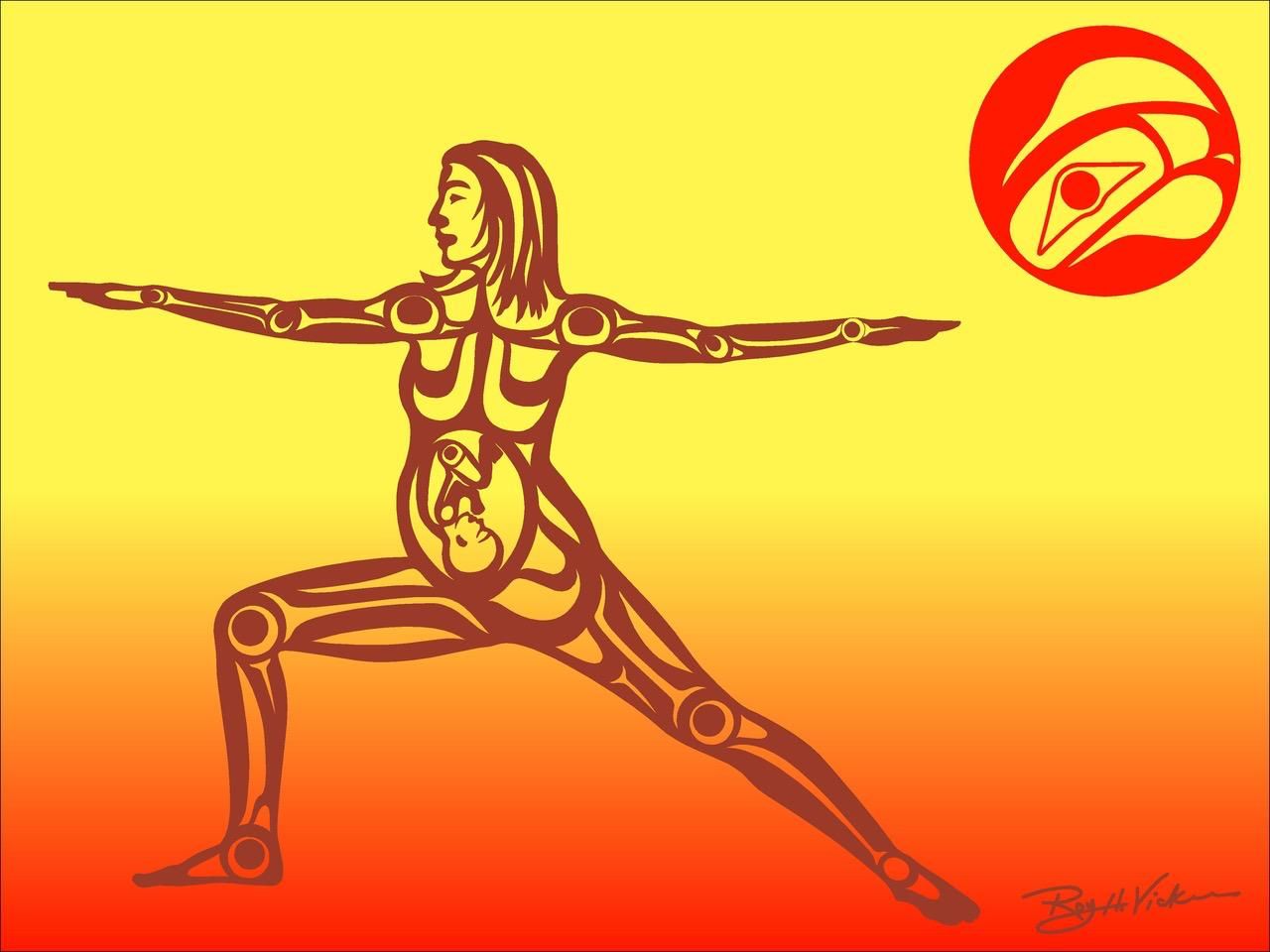
8+
YEARS RUNNING
starting in 2018
3+
ACTIVE REGIONS
SWANA · Canada · Pakistan
3
RESEARCH STUDIES
running alongside
WHY THIS PROGRAM EXISTS
Most trauma interventions are designed to arrive after the crisis. This one was built for during.
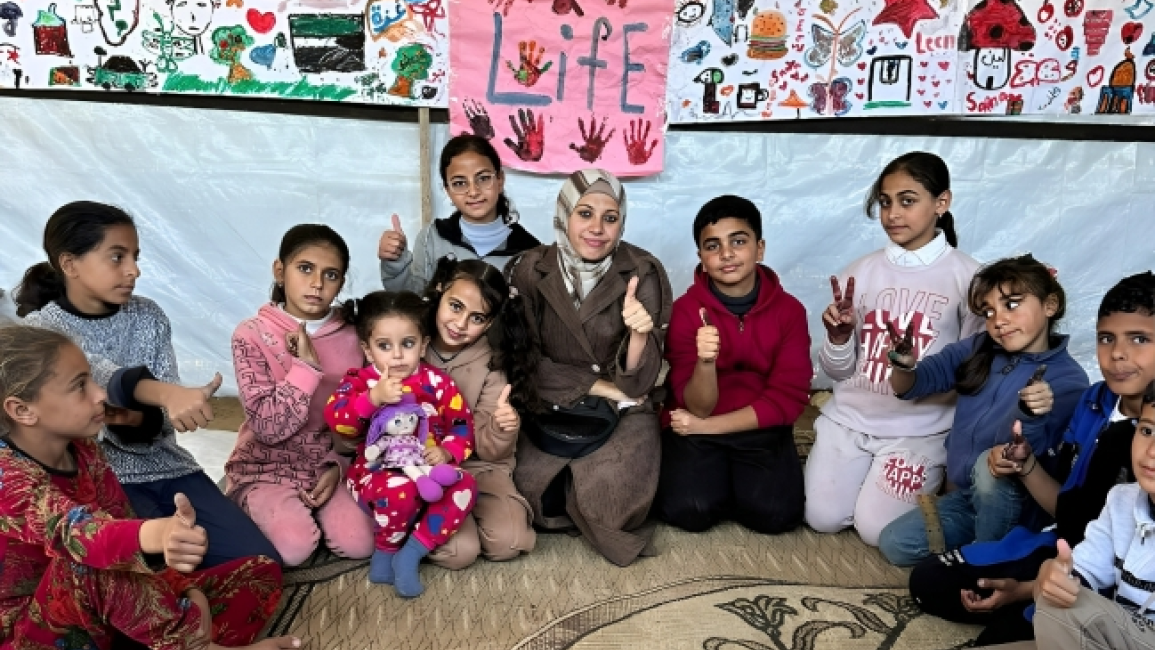
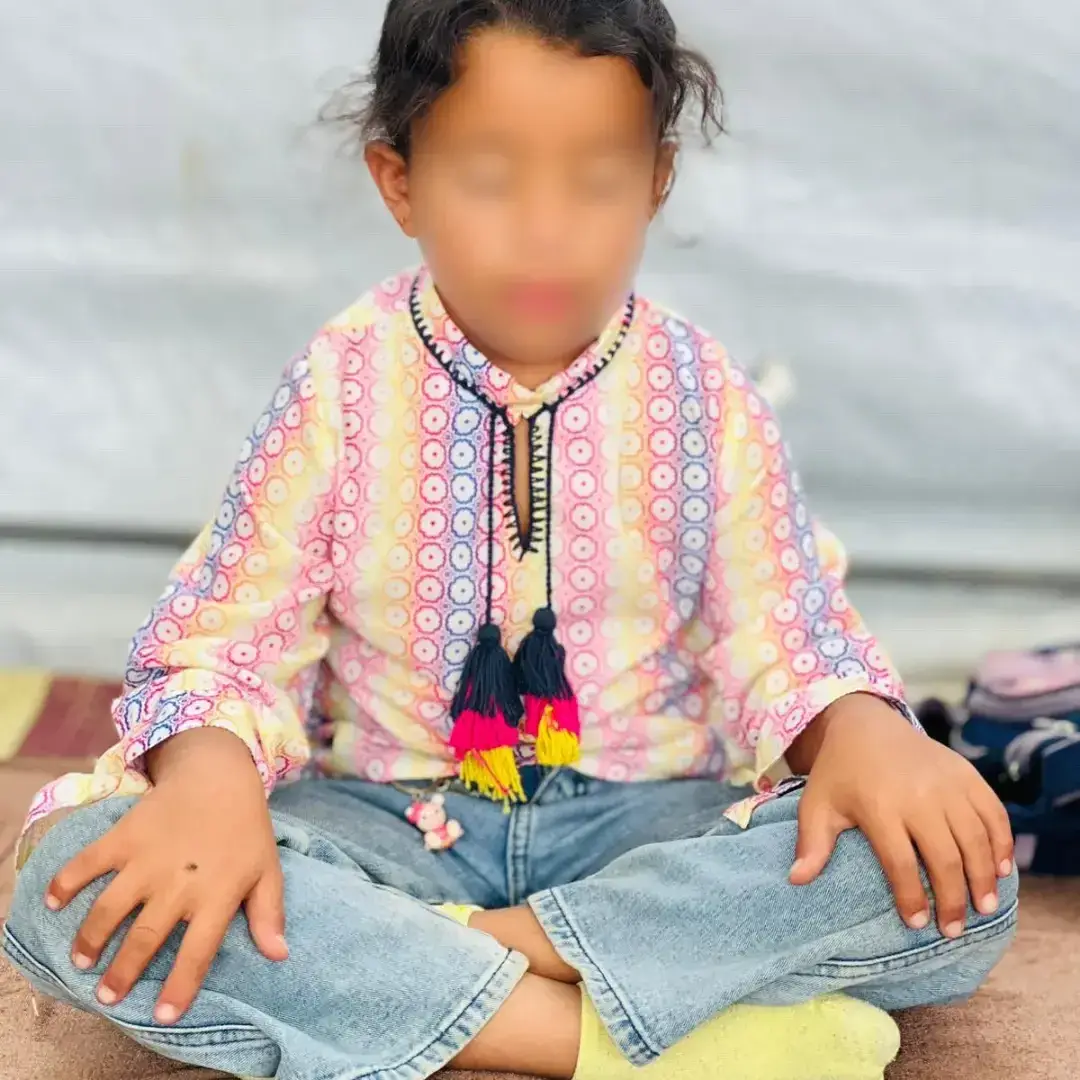
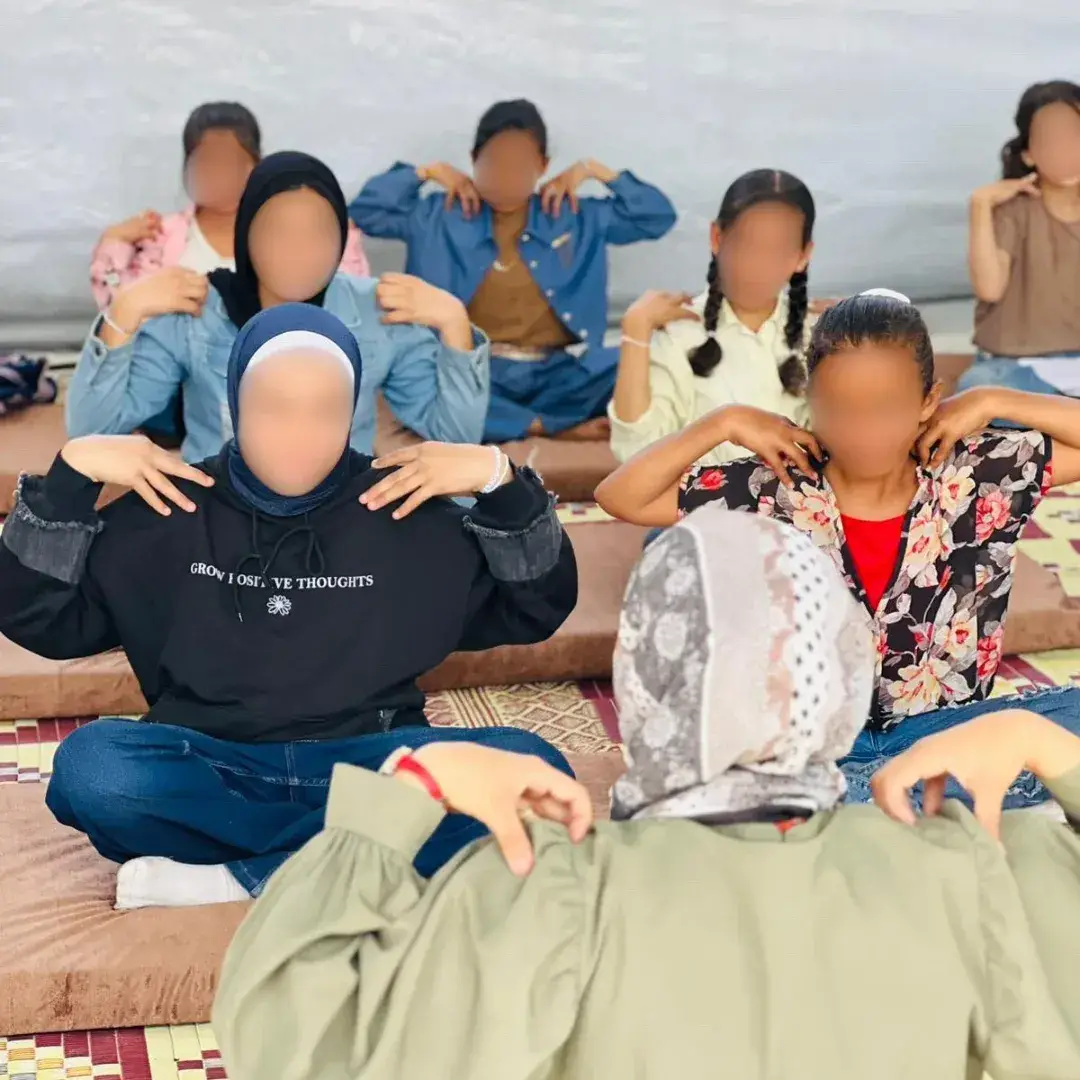
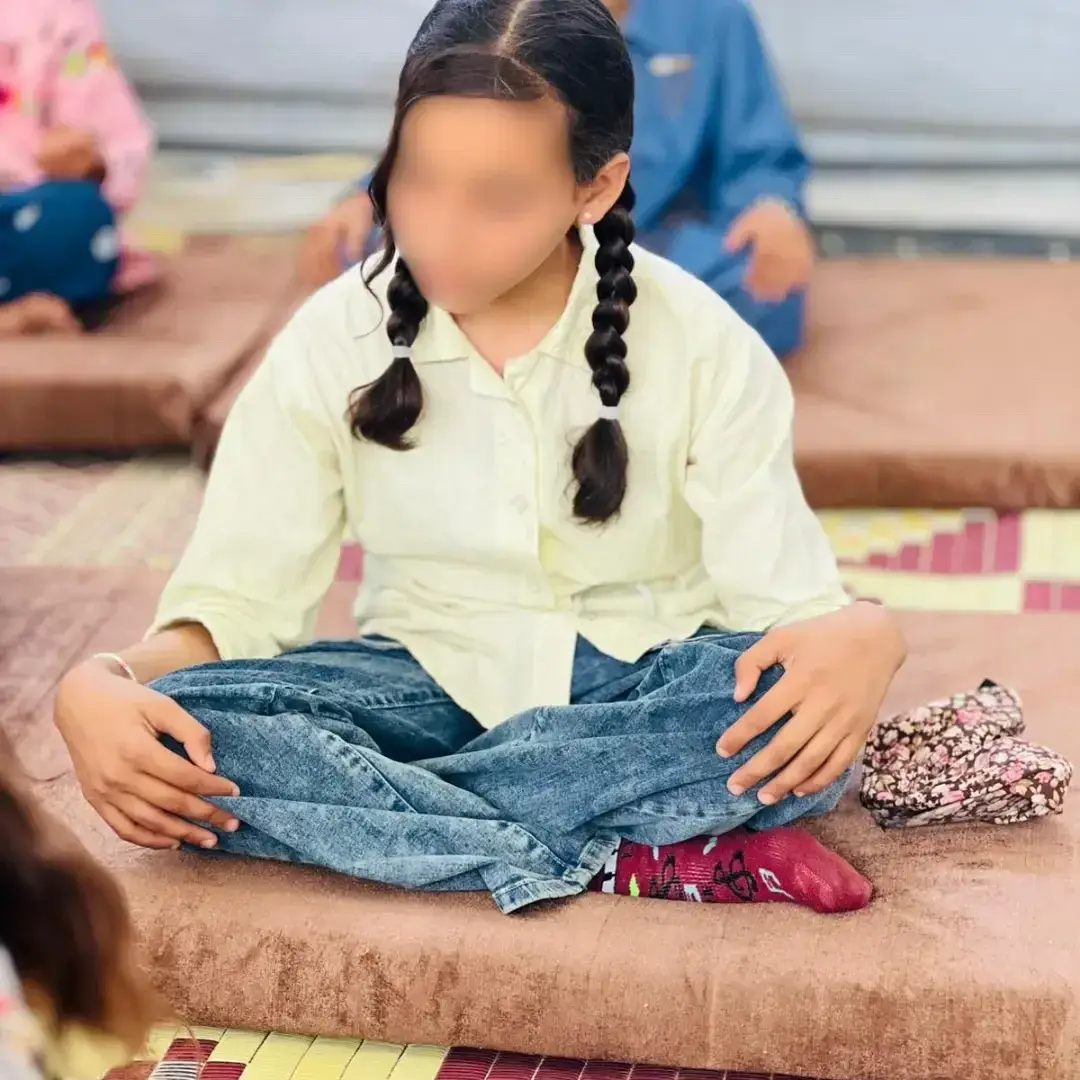
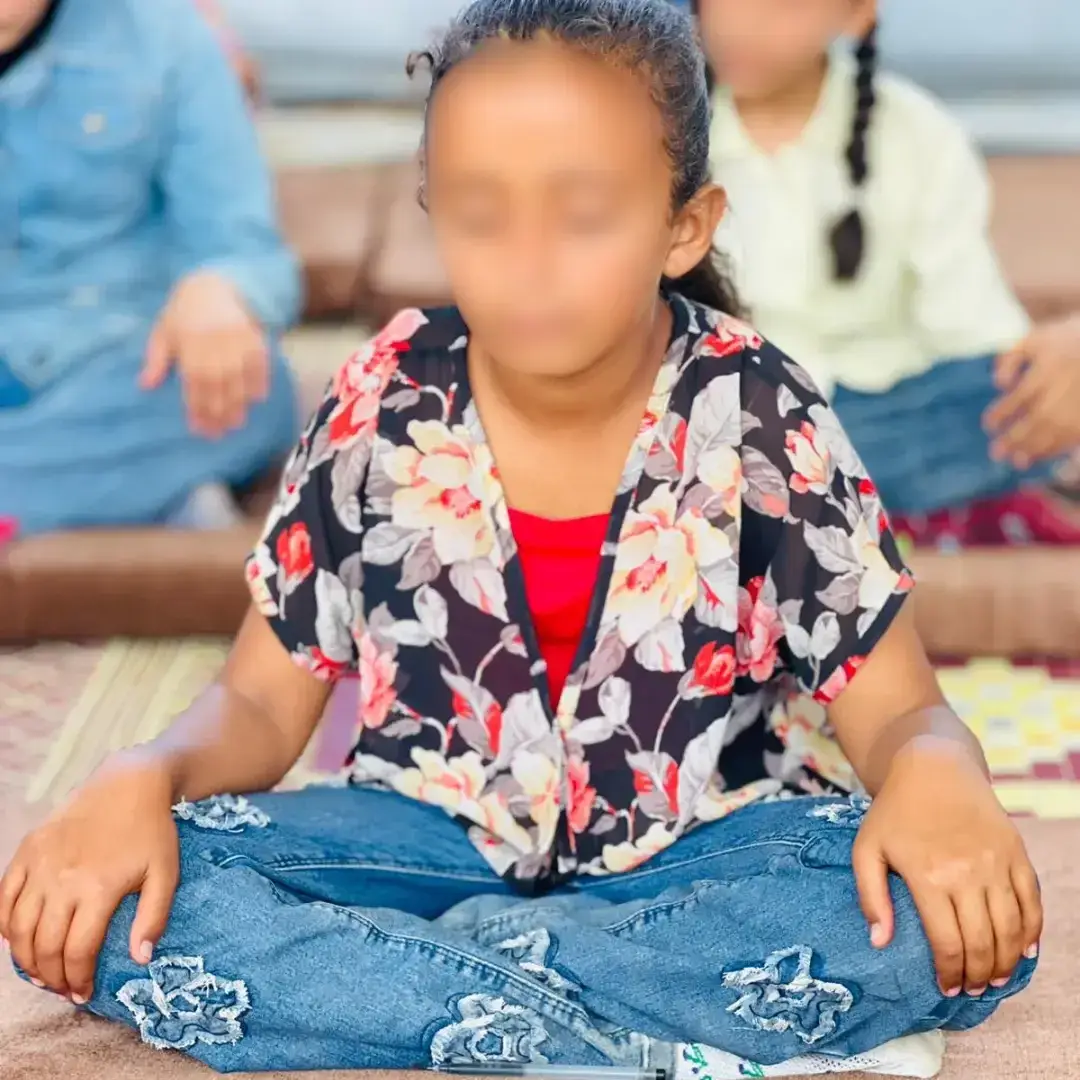
All photographs shared with participant consent. Photo courtesy of Haya Ahmed.
In 2018, Leila Johnson and Fedaa — a Syrian community member in the Bekaa Valley, Lebanon — began co-facilitating TCTSY sessions at a local refugee camp. What became clear almost immediately: an outside practitioner arriving with specialized knowledge and leaving with it is a power structure that works against the communities it intends to serve.
The Community Leader Program was built around a different question: what if the people best positioned to deliver trauma care are the people already living inside the community who needs it?
"We hold Western research through one eye and local knowledge through the other. Only when we look equally through both can we care for the future generations."
— TCTSY Community Leader ProgramTrauma-Sensitive Yoga as an Adjunct Mental Health Treatment in Group Therapy for Survivors of Domestic Violence: A Feasibility StudyWe The Mindful 2024
Complementary Therapies in Clinical Practice · 2014
Cari Jo Clark, Angela Lewis-Dmello, Deena Anders, Amy Parsons, Viann Nguyen-Feng, Lisa Henn, David Emerson
The first study to examine TCTSY in a community-based setting, conducted at the Domestic Abuse Project in Minneapolis. It established that trauma-sensitive yoga could be meaningfully integrated into existing community organizations — not only clinical treatment programs. The Community Leader Program's model grows directly from the possibility this study opened up.
Trauma-Sensitive Yoga and Wellbeing Among Palestinian Refugee Youth: A Pilot Study
McNair Scholars Symposium · The College of St. Scholastica · 2024
Treygan Adams · Advisor: Dr. Viann Nguyen-Feng, University of Minnesota Duluth
A pilot study with 16 youth at a Palestinian refugee camp, examining how aspects of psychological strengths and difficulties related to one another before and after a TCTSY intervention. Early findings offer insight into trauma-sensitive yoga as a supportive resource for children in conflict-affected regions.
Community-Led Trauma Center Trauma Sensitive Yoga: Interrupting Cycles of Trauma in the Refugee Experience
Voices Against Torture Journal 2024
Viann Nguyen-Feng, Emily Lapolice, Farah Houssami, Leila Johnson, Khansa Hamoud, Fedaa Almudahi, Aziza Makboul
Trauma-sensitive yoga helps displaced children in Gaza cope with psychological trauma
* The language of the full article reflects the words and lived experience of its author.
The New Arab 2025
Haya Ahmed, a doctor and freelance writer from Gaza
A micro-documentary from the life of Fedaa, one of the Community Leaders (TCTSY-CL) we are collaborating with in Lebanon, to help offer trauma-sensitive yoga to the children in her community.
We The Mindful 2024
Filmed by Ahmad Alabd Alrazzak
A NOTE ON LANGUAGE
CFTE goes where trauma is. That has always been the full extent of our position.
When someone has experienced trauma and is seeking care, we do not evaluate the politics of their circumstances before we respond. We do not draw lines around whose trauma counts or which side of a conflict deserves healing. The moment we start making those decisions, we have stopped doing the work.
The language used throughout this page including terminology chosen by community members, article titles written by journalists in the field, and descriptions of ongoing conflicts reflects the words of the people with lived experience in these regions. Where we use that language, we use it because they use it. It does not represent a political position taken by CFTE.
We recognize that some of this language is contested. We are not here to adjudicate either side of that tension. We are here to support people who are carrying trauma, regardless of where they are or how they got there.
HOW IT WORKS
A 30-hour training built around local leadership
Community leaders are not imported. They are identified from within their own communities — people who are already trusted, already present, already there. The program trains them in an abridged 30-hour model drawing from TCTSY foundations and certification, adapted for the cultural and linguistic context of each region.
PRINCIPLE ONE
Local leaders, not visiting practitioners
Participants come from the communities they will serve. They facilitate in their own language, within their own cultural context, and they stay when everyone else leaves.
PRINCIPLE TWO
Paid work, not volunteerism
Community leaders receive a small stipend per class facilitated. This is not an act of charity — it is a professional designation with economic value attached to it.
PRINCIPLE THREE
Research runs alongside
Every active cohort includes a research component. The program is designed not just to deliver care but to document what works, and why, in conditions where most research doesn't go.
CULTURAL ADAPTATION
The methodology changes. The principles hold.
Final resting pose is removed. Drawing replaces it. "Safe enough" replaces "safe." Prayer opens sessions in Muslim communities. The methodology adapts; the commitment to choice and embodied agency does not.
LANGUAGE INNOVATION
New words added to Modern Standard Arabic
Through collaboration with linguists, translators, and the community leaders themselves, "trauma-sensitive yoga" and "interoception" were created in Modern Standard Arabic. They now exist in the language because this program put them there.
WHERE WE ARE RIGHT NOW
Active across three location-based project areas.
Each one different.
SWANA - Southwest Asia and North Africa
The CL Program has been active in the SWANA region since 2018, when Leila Johnson and Fedaa began co-facilitating sessions in the Bekaa Valley, Lebanon. What started as a single collaboration has grown into an interconnected network of community leaders across Lebanon, the West Bank, and Gaza — each operating in their own language, within their own cultural context, with research running alongside.
ACTIVE - CURRENT PROJECT
Gaza — Al Jawed Camp, Northern Gaza
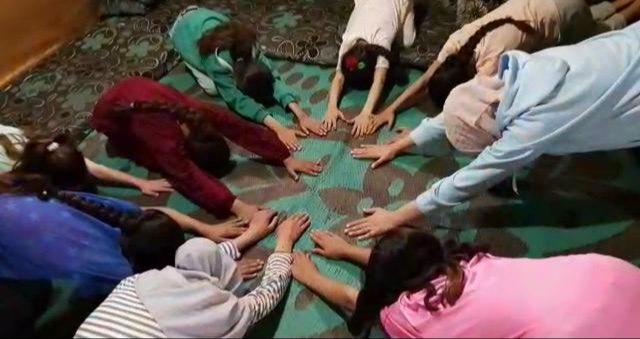
The Al Jawed Camp was founded by Hadeel Al-Gerbawi, an educator who lost her own child in the ongoing conflict and is raising her two surviving sons in the camp. What started as personal care for children in her immediate community has grown into a structured program for over 500 children and 15 teachers. TCTSY runs here now — not post-crisis, during it — facilitated by local women, in Arabic, with a pilot study running alongside.
Lebanon — Bekaa Valley
Where the program began. In 2018, Leila Johnson and Fedaa — a Syrian community member already trusted within her community — started co-facilitating TCTSY sessions at a local refugee camp. Fedaa was the first CL participant in the program's history. She now mentors new cohorts across the region and has been involved in three research projects. The Bekaa Valley remains one of the CL Program's most developed sites, with the longest documented implementation history.
PARTICIPANTS
Syrian and Lebanese women
DELIVERY
In-person and adapted for community settings
RESEARCH
Fedaa has been involved in three research projects across the program's history, including the Voices Against Torture Journal publication (2024)
NOTE
This program has operated here since before the current conflict began
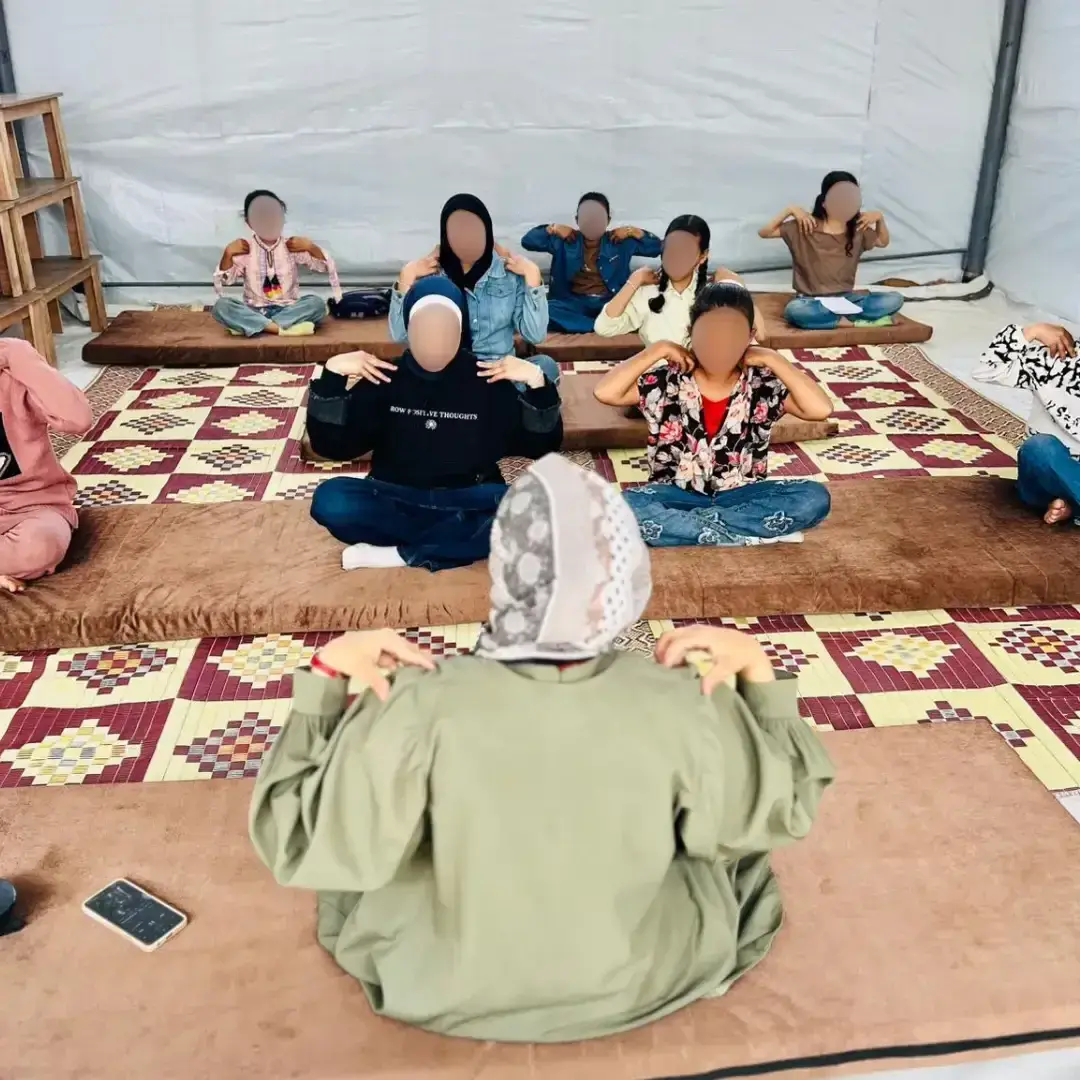
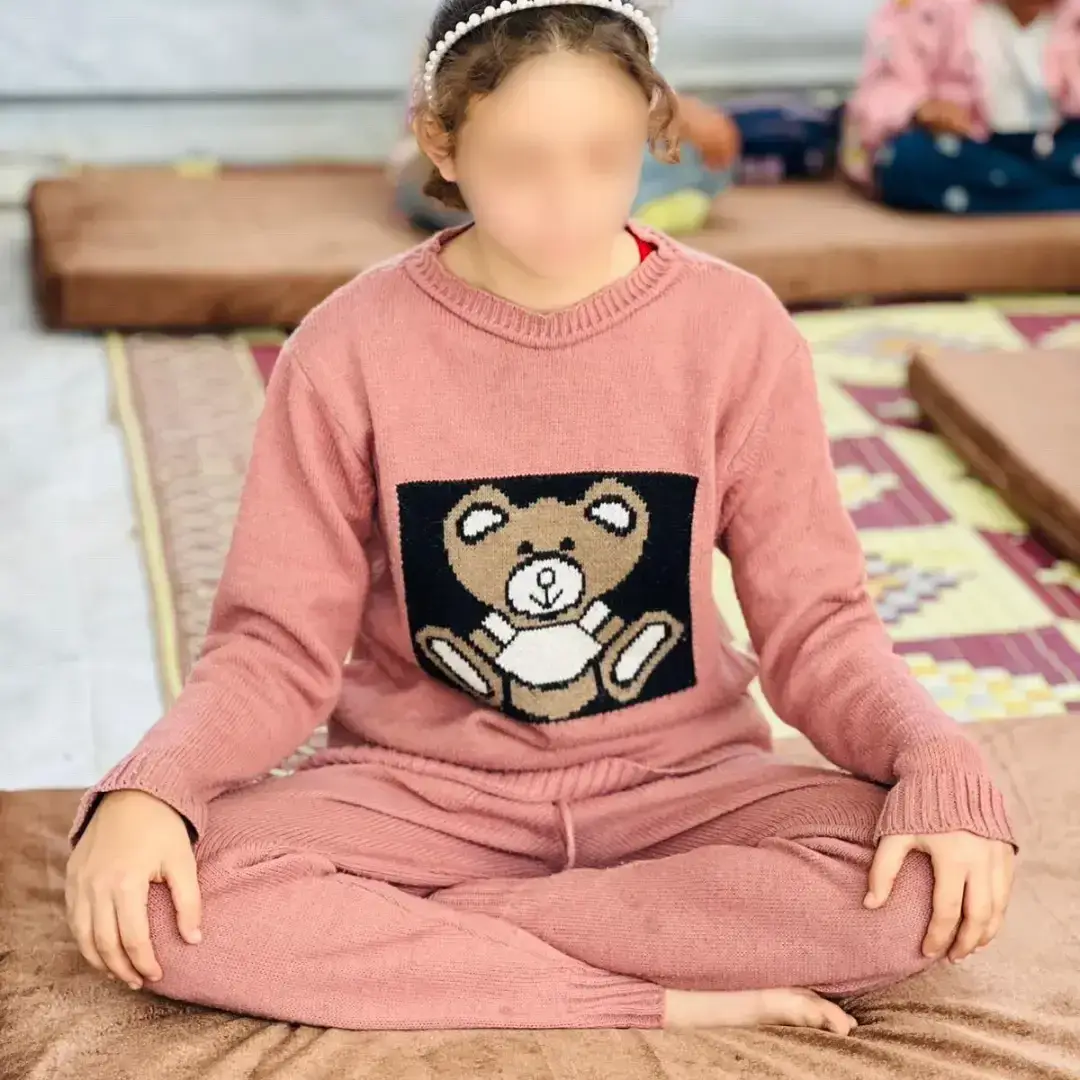
Lebanon — Bekaa Valley
Farah Houssami leads CL work in Beirut, serving as co-facilitator, language and culture specialist, and the primary Arabic translation lead for the program. Farah's expertise was central to the creation of new Modern Standard Arabic terminology for "trauma-sensitive yoga" and "interoception" — terms that did not previously exist in the language.
PARTICIPANTS
Women in Beirut and surrounding communities
DELIVERY
In-person facilitation in Arabic
RESEARCH
Co-author, Voices Against Torture Journal 2024
West Bank — UN Aida Refugee Camp
Active implementation alongside Gaza and Lebanon. The MindBody Trauma Care Lab conducted a program evaluation at the UN Aida Refugee Camp — the first time TCTSY outcomes have been formally documented in an active conflict zone. The evaluation was conducted in partnership with VAST (Vancouver Association of Survivors of Torture), a UN- and Canadian government-funded organization that has served as an ongoing supporting partner throughout the CL Program's development.
PARTICIPANTS
Women and youth at the Aida Refugee Camp
RESEARCH
Program evaluation conducted by the MindBody Trauma Care Lab in partnership with VAST
PROJECT TWO - PAKISTAN
The CL Program is currently in development in Pakistan, translating TCTSY methodology into Urdu and adapting it for local cultural and linguistic contexts. Current partnerships include the National Institute of Psychology at Quaid-i-Azam University and work with acid survivors through Voices Against Torture, Islamabad.
STATUS
Women and youth at the Aida Refugee Camp
FOCUS
Urdu language adaptation · acid survivors · university partnership
PROJECT THREE - FIRST NATIONS CANADA
First Nations Canada
Active — British Columbia · Ontario work documented as completedThe CL Program has been active across First Nations communities in British Columbia since 2018. Work has included collaboration with the Laxgalts'ap community and Simshim Nation on British Columbia's west coast. A central project from this work is the Two Cedars yoga deck — a collaboration with First Nations artist and elder Roy Henry Vickers that took years to complete and is now used in TCTSY sessions with community members.
The CL Program also worked with Maaqtusiis First Nations in Ontario. That work is now complete.
More detail on each community, the people involved, and the research running alongside this work is being compiled and will be added here shortly.
FEATURED COLLABORATOR
Roy Henry Vickers
Artist · Storyteller · Elder · Laxgalts'ap Nation
Roy Henry Vickers is one of Canada's most celebrated First Nations artists — a traditional carver, storyteller, and tireless advocate for recovery from addictions, trauma, and abuse. His limited-edition prints are the official gift of the Province of British Columbia to visiting foreign leaders. His original painting A Meeting of Chiefs was gifted to Her Majesty Queen Elizabeth II in 1987. In 1993, The Homecoming was the Province's gift to Bill Clinton and Boris Yeltsin. He is Grammy-nominated for his collaboration with the Grateful Dead on the Pacific Northwest boxed set, and the author of several award-winning books.
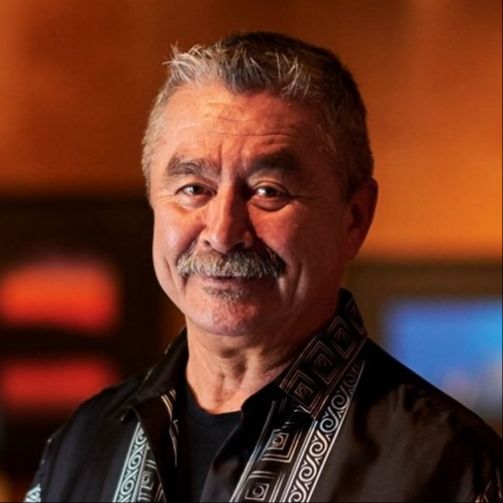
His connection to the CL Program began with a question Leila Johnson brought to him: if cultural trauma comes partly from the erasure of representation, could cultural representation be part of the healing? He said yes. What followed was a years-long collaboration — through COVID, across thousands of miles — that produced a culturally grounded yoga deck now used in TCTSY sessions with First Nations communities. Many of the images in the deck are self-portraits: Roy Henry Vickers trying trauma-sensitive yoga for the first time, at 74 years old.
Learn more about Roy Henry Vickers and his work at royhenryvickers.com
FEATURED STORY
The Emergence of Two Cedars
A collaboration between Leila Johnson and Roy Henry Vickers
Published in: Trauma Psychology News, APA Division 56 · Vol. 16(3), 2021
The Two Cedars project began with a question. Leila Johnson was preparing to travel to Laxgalts'ap territory in British Columbia — land where Roy Henry Vickers was born — to work with community members there. She reached out to him before they had ever met, entirely by text, with a proposal: would he consider contributing two or three of his images for use in a yoga deck designed for First Nations communities?
He said yes. Then he gave them 100 images.
The question driving the project was this: if cultural trauma comes partly from the erasure of cultural identity and representation, could cultural representation be part of the healing? The Two Cedars deck was built as an answer in practice. It brought together two ancient pathways — Indigenous knowledge and trauma-informed somatic care — through the concept of two-eyed seeing (Etuaptmumk), a framework introduced by Elders Albert and Murdena Marshall of the Mi'kmaw Eskasoni Nation. To look through one eye at the strength of Indigenous knowledge. To look through the other at what Western research offers. To use both together.
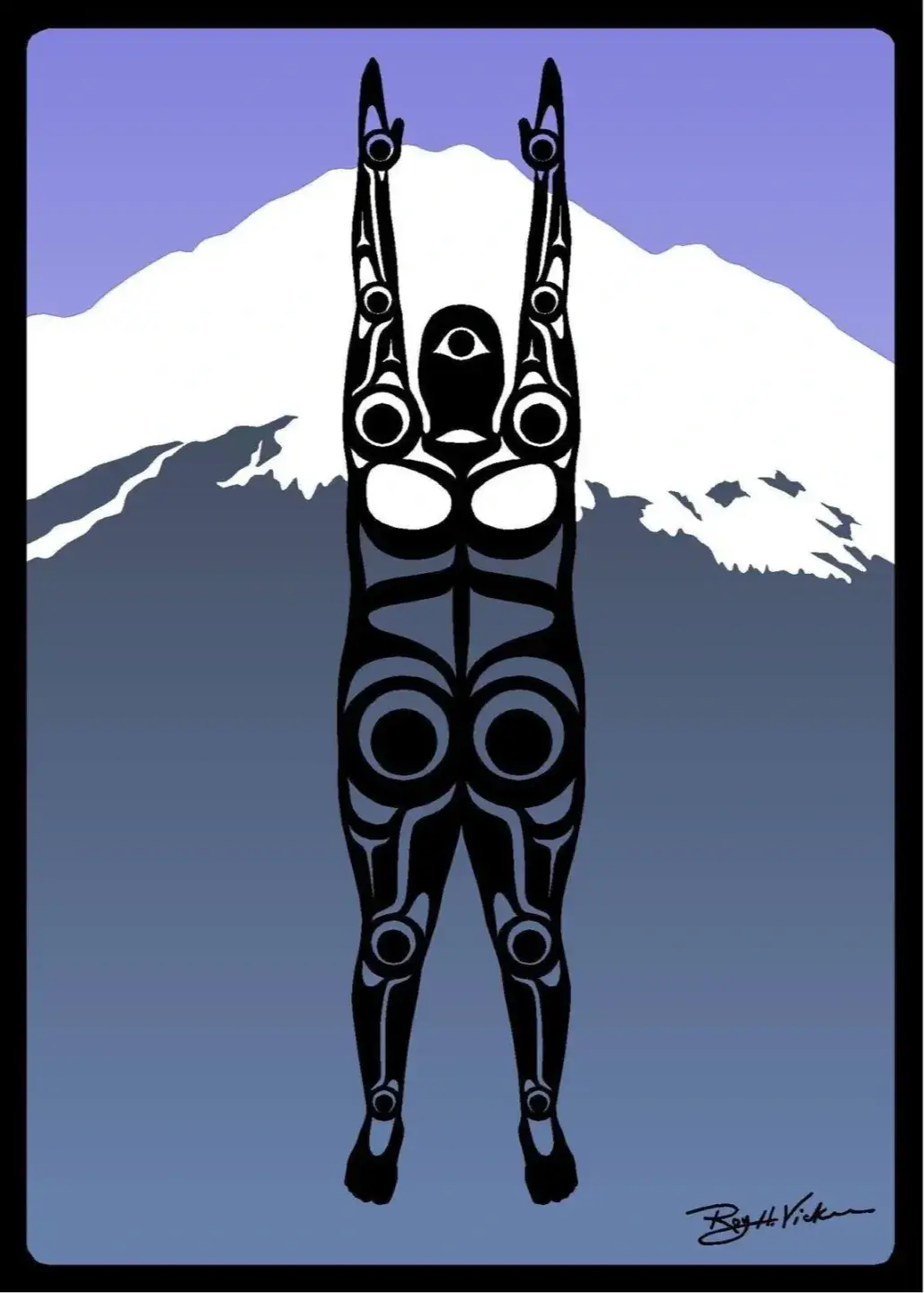
The images in the deck were made across years and through COVID. Getting the right photographs required hundreds of attempts — Roy Henry Vickers was exacting about what the artwork needed, in the way that serious artists are. When the pandemic made in-person photography impossible, he solved it himself: he had his son photograph him doing yoga for the first time in his life. Many of the images in the final deck are self-portraits of Roy Henry Vickers at 74, learning TCTSY.
Every meeting during the development of the deck was opened with a Four Directions blessing — a practice Roy Henry Vickers brought to the collaboration. By the end, the deck had become as much a part of the team's own process as it was a resource for communities.
The Two Cedars deck is now part of a larger vision to combine evidence-based and culture-based medicine in service of healing intergenerational and collective trauma.
Citation: Johnson, L., & Vickers, R. H. (2021). The emergence of two cedars. Trauma Psychology News, 16(3), 22–25.
COMMUNITY LEADERS
The people doing this work
The people doing this work are the program's most important asset. Full bios, photos, and individual stories are being compiled directly with community leaders and will be added here as they are gathered. We document carefully and with consent.
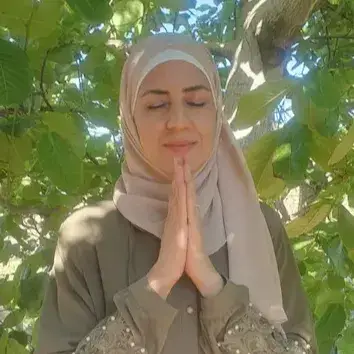
Fedaa Faisal Almudahi
TCTSY-Community Leader · CL Mentor · Project Research Advisor
Beq'aa Valley, Lebanon

Hadeel Al-Gerbawi
Founder, Al Jawed Camp · TCTSY-CL facilitator
Northern Gaza
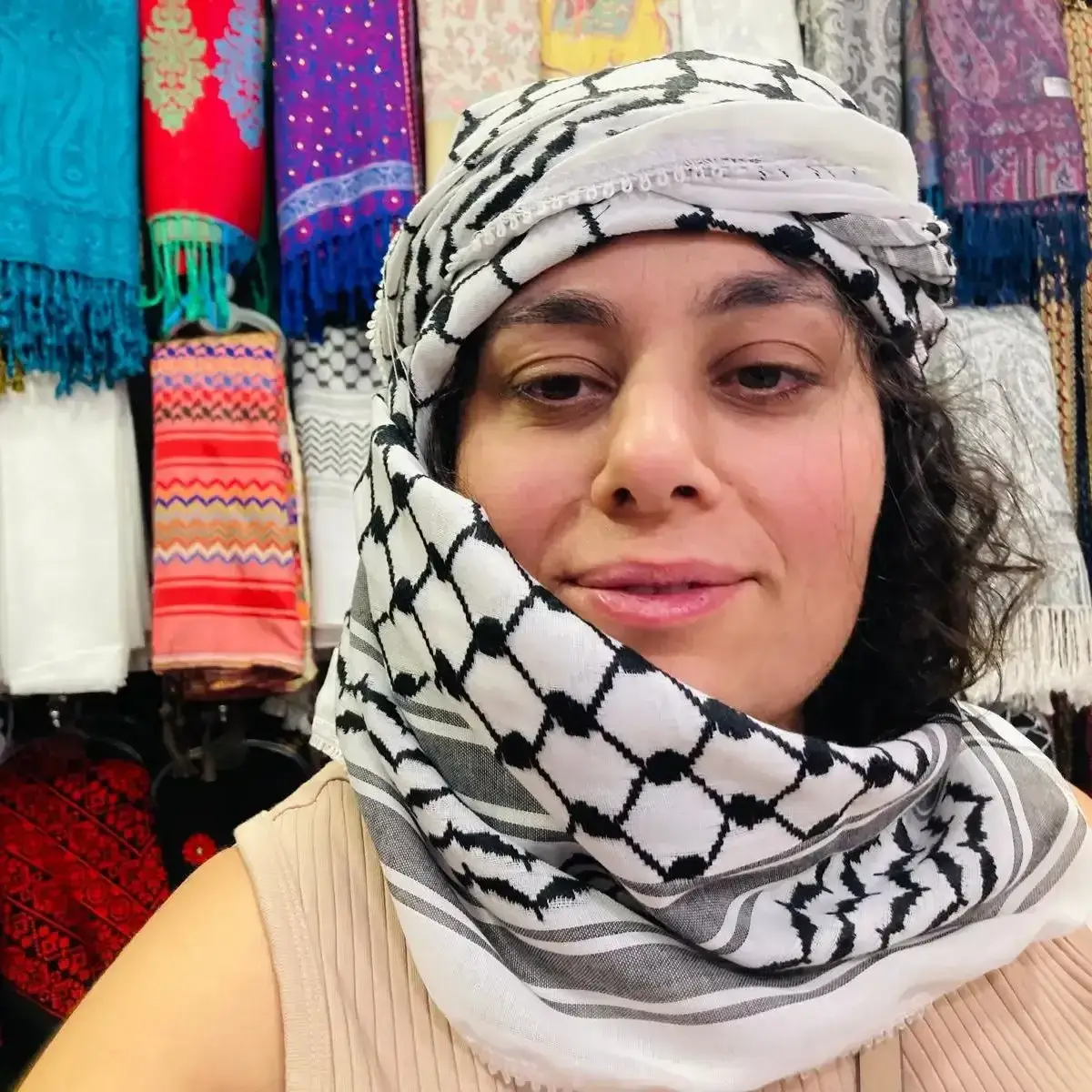
Farah Al Housami
TCTSY-CL · Project Co-facilitator
Socio-cultural Advisor and Translator
Beirut, Lebanon
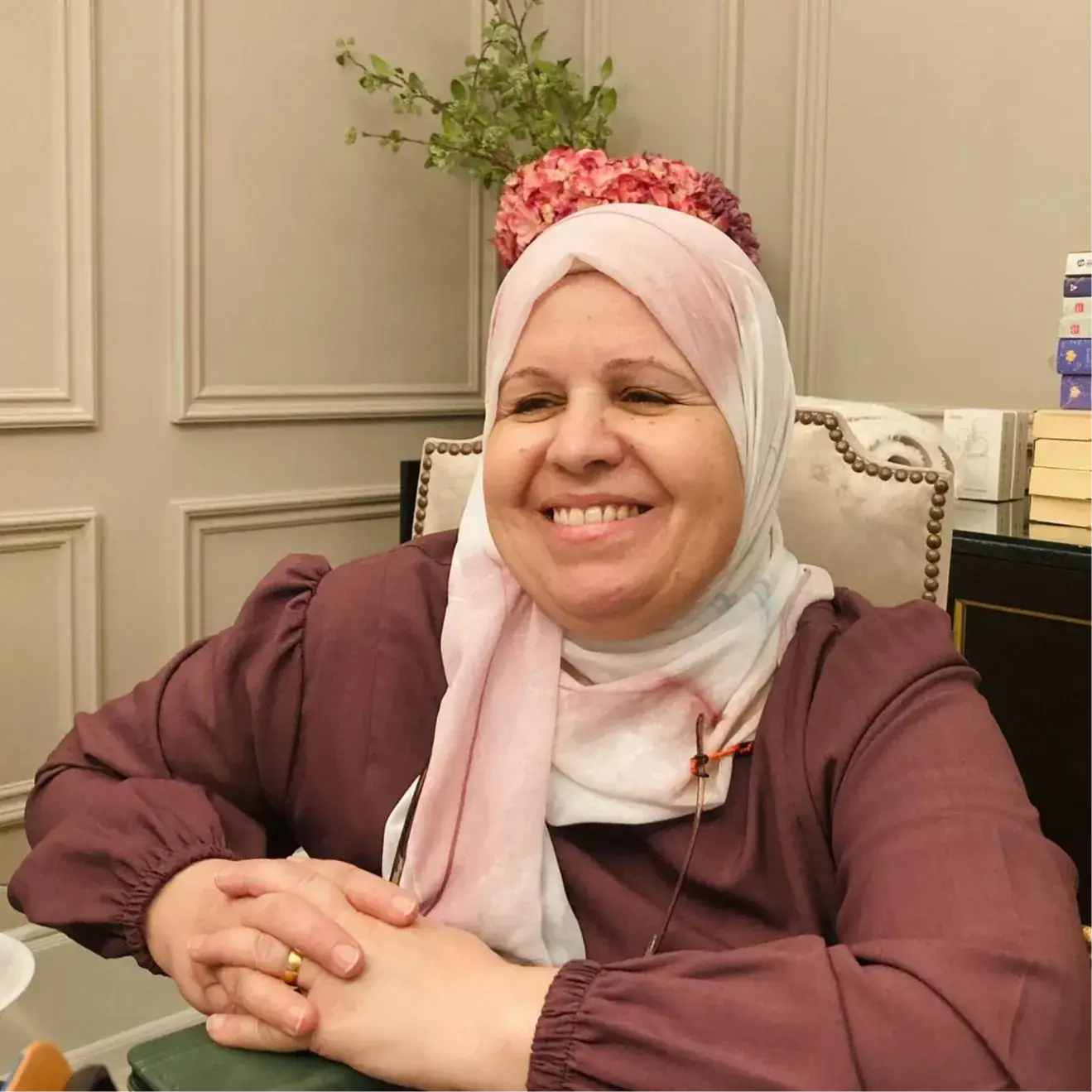
Samira
Regional Project Manager and TCTSY-CL
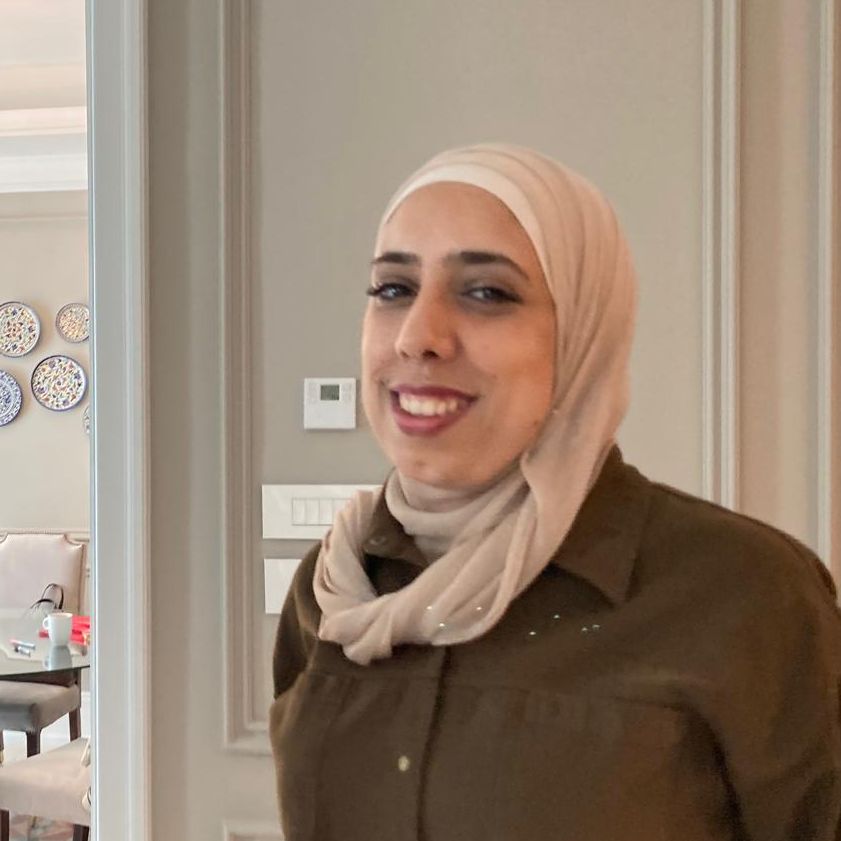
Rasha
Local Expert, Aida Refugee Camp, Research Facilitator, TCTSY-CL
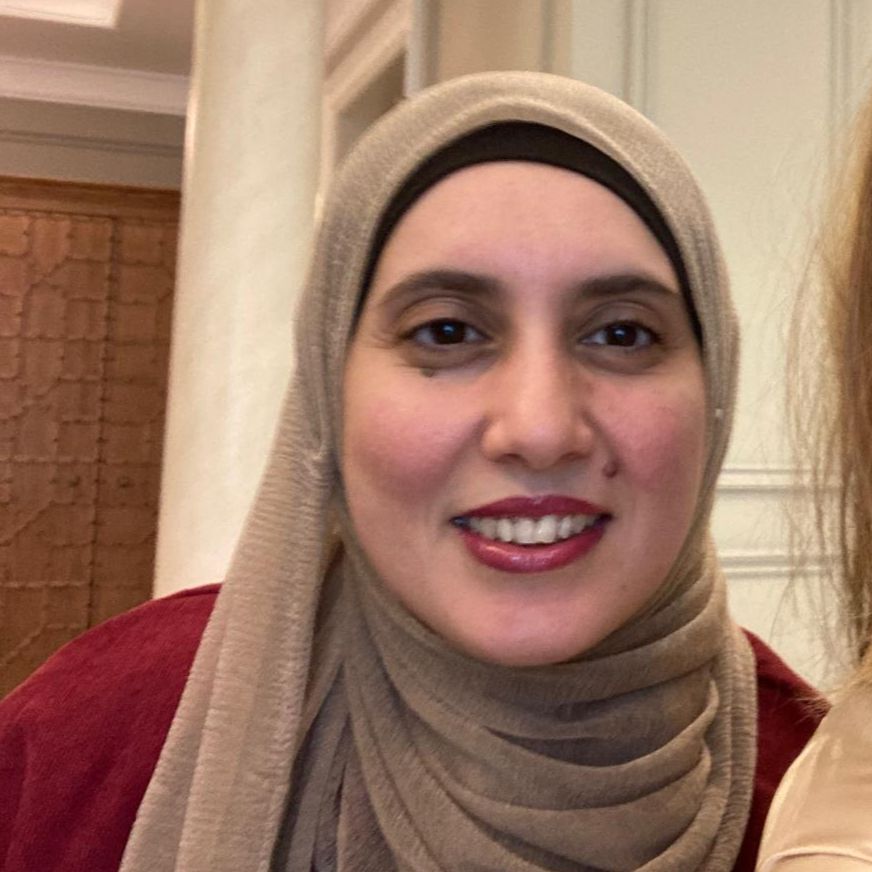
Rusailla Ibrahim lutfi
Perinatal TCTSY-CL · Specializing in supporting women
West Bank
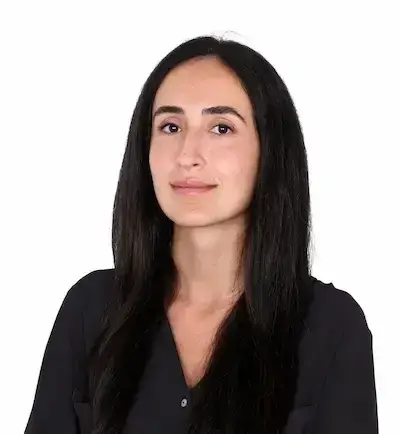
Joy Abi Habib
Project Clinical Advisor, Dubai
Khansaa Abed Alhamed Alhamoud
TCTSY-CL
Syria
Emily LaPolice
LICSW, TCTSY-F, TCTSY-CL Faculty
United States
Michelle Law
CL Project Researcher, University of Iceland
Iceland
SUPPORT THIS WORK
The Community Leader Fund
CFTE's research is built on genuine collaboration. We work with universities, hospitals, veterans bureaus, and community organizations to ensure our findings reflect the real diversity of people who carry trauma — and the real contexts where healing happens.
Interested in this work?
CFTE welcomes inquiries from universities, clinical institutions, community organizations, and independent researchers interested in body-based trauma care. If you are studying this area, working in a community where this model could be useful, or looking to understand more about how the CL Program operates, reach out through the contact form and someone from the team will be in touch.

Stay in the work with us.
Join thousands of practitioners, researchers, and community leaders around the world who receive CFTE's newsletter — including updates on new research, upcoming trainings, and conversations from our podcast, On Trauma & Power.
We respect your inbox. No spam, ever. Unsubscribe any time.