Next Roundtable:
TO BE ANNOUNCED
Previous Roundtable Discussions
Beyond Performance | July 2026

Youth athletes aren't just developing physically. They're developing relationally, neurologically, and emotionally — often inside competitive environments that don't account for any of that.
This roundtable brings together clinicians, coaches, and movement practitioners to examine what we know about trauma's impact on youth development, and what it looks like to build environments where young athletes feel safe, supported, and capable of growing.
We'll look at how somatic interventions — from TCTSY to strength training — interact with the relational support coaches provide. And we'll talk practically about what best practices look like when the goal is the whole athlete, not just the performance.
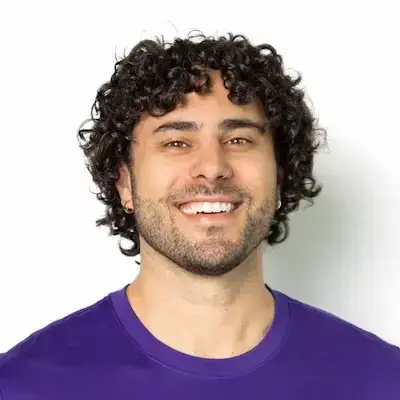
Ian D. Kilpatrick
CHJS + InnerCity Weightlifting | Boston Lead, Community Builder, Youth Sports Advocate
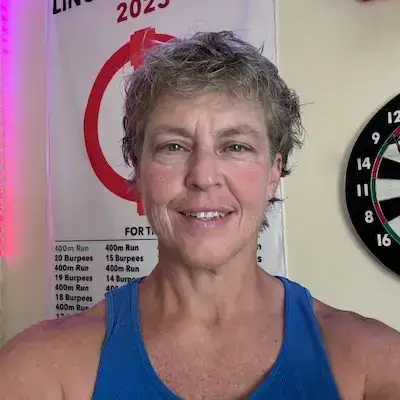
C. Brown
TIWL Certified, Cross Fit Gym Owner, PE Trainer, Coach
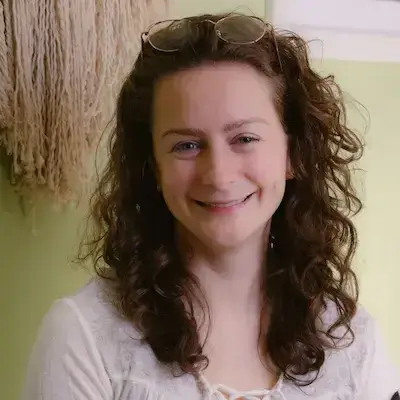
Angelica Emery-Fertitta
LICSW, TCTSY-F, RYT-500 | Clinician, Restorative Practice Consultant
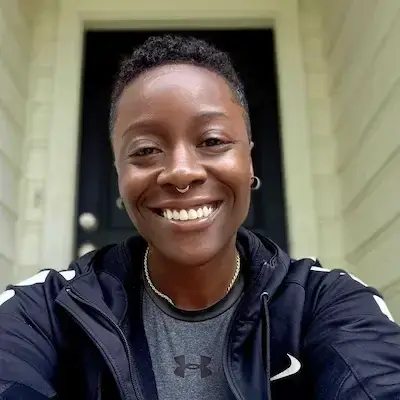
Candace Liger
(HOST)
TIWL Program Director
NASM-SPS, CE
Arts & Humanities | February 2026
The case for arts and humanities in trauma care used to require a lot of convincing. It requires less now — because the research has arrived.
This roundtable brings together four practitioners working across dance, documentary film, theater, and improvisation to talk about what they've seen firsthand and what the evidence is beginning to confirm.
The conversation is personal before it's clinical. Every practitioner here came to this work through their own body first.
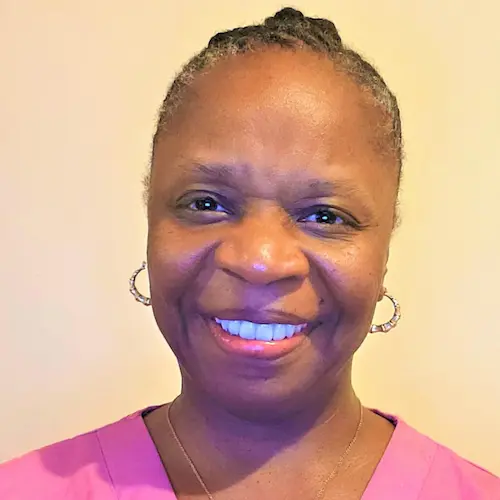
Dr. Desmonette Hazly MA, MSW, PhD
Social Entrepreneur
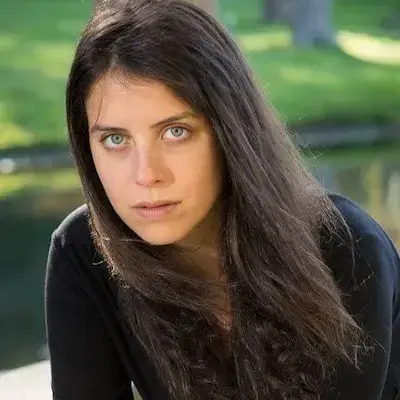
Jenny Herzog
Singer, Dancer, Educator, Director and Producer
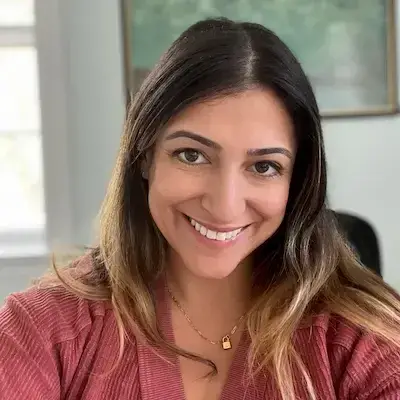
Sarah Carter LMHC, RDT, TCTSY-F
Co-Founder/Director TIIP
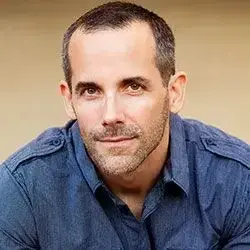
Mark Tomasic
Choreographer, Dancer, Educator
Trauma & The Law | October, 2025
The legal system assigns culpability, constrains behavior, and exonerates or punishes. When trauma is part of the picture, all of that gets complicated — and often gets wrong.
In this roundtable, Dave Emerson is joined by three scholars and practitioners working at the intersection of trauma, gender, and the criminal legal system. Ellen Williams, Rebecca Epstein, and Talia Gonzalez examine how survivors of gender-based violence end up charged as offenders — for fighting back, for coping, for reporting, for staying. They discuss why the law has lagged behind what we now understand about trauma, and what it looks like to change that at the legislative level.
This is one of the more legally specific conversations in the Roundtable series, and also one of the most concrete. There are named studies, a new state law, pending federal court cases, and practitioners describing real clients. Worth watching for anyone working with survivors, and for anyone who believes trauma care doesn't stop at the therapy room door.
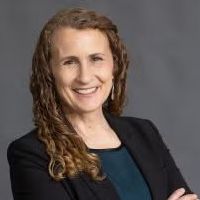
Rebecca Epstein, ED
Center on Gender Justice & Opportunity, Georgetown Law
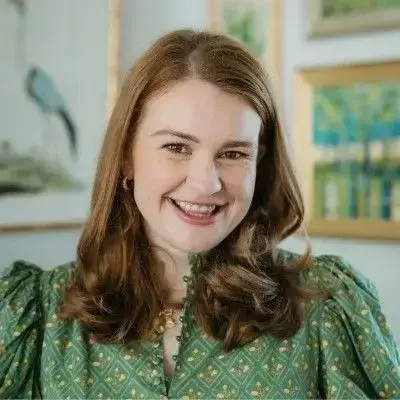
Ellie Williams
Legal Director, Justice for Incarcerated Youth
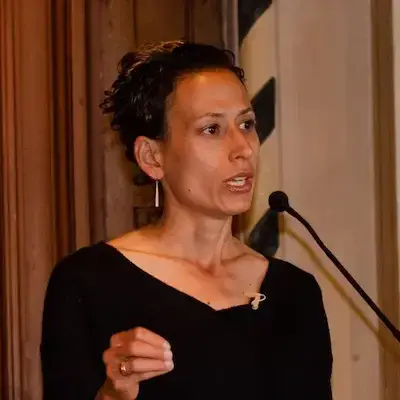
Thalia Gonzalez
Senior Scholar, Center on Gender Justice& Opportunity
Nontoxic Masculinity | September 2024
Most men have never had an intentional conversation about masculinity. Not what they were taught it was — but what it actually costs, and what else it could be.
This roundtable brings together Dave Emerson, Mosen Mohiden, and Ranjie Benjamin for a conversation that is less a panel discussion and more a public version of something usually kept private. All three are fathers. All three describe becoming caregivers as the thing that cracked open a question they hadn't known how to ask.
The conversation opens to the room and becomes richer for it. The discussion moves through fatherhood, bell hooks, queer communities as teachers of vulnerability, grief hidden inside male anger, and what it means to try to build something different — not by erasing masculinity but by refusing the version that required eradicating everything soft.
Recorded on Juneteenth.
This is a conversation about language, access, stigma, and what it actually takes to bring care to the people who need it most.
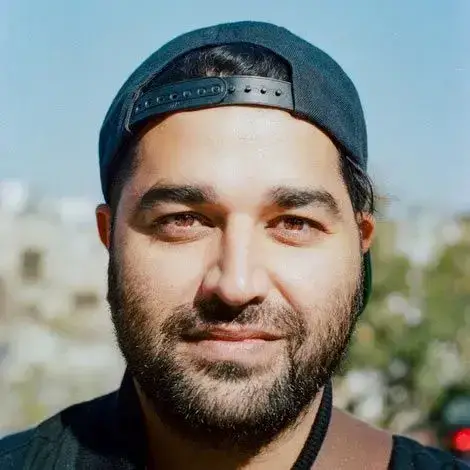
Mohsin Mohi Ud Din
Founder of #MeWe International, Inc.
Ranjeev Benjamin, LICSW
Executive Director of Mental Wellness, YMCA North Shore
Global Philanthropy | June 2024
In global development, the funding follows the tangible: food, shelter, jobs, school enrollment. Trauma — the thing that often determines whether any of those interventions actually hold — tends to get a line item at best.
This roundtable brings together three practitioners who have each run into that wall from a different direction. Together with Dave Emerson, they examine why trauma is structurally invisible in global philanthropy — the KPI problem, the power distance between donors and recipients, the colonial legacy of programs designed for communities by people outside them — and what it would take to change that. The conversation gets into advisory councils, culturally relevant program design, what happens to the care providers absorbing these stories without support, and whether the private sector might actually move faster than the public sector on this.

Wendi Yen Huestis
International Development Professional
Chief Advancement Officer, Worldreader
Rebecca Simms
International Relations Executive and Consultant
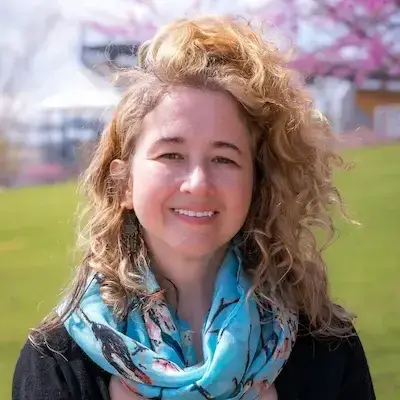
Elizabeth Ringler-Jayanthan, LCSW, TCTSY-F
Behavioral Health Advisor, Center for Afghan Resilience, Bethany Christian Services
Trauma Care is Health Care | September 2024
The people who most need trauma-informed care are often the least likely to walk through a door that uses the word trauma.
In this roundtable, Dave Emerson and Dr. Desmonette Hazley — integrative health specialist and medical social worker serving underserved communities across Southern California — have the conversation they've been building toward for two years. It starts with a practical problem: in communities where a mental health diagnosis can cost someone their job, their custody of their children, or their physical safety, traditional trauma care framing does not just underperform. It causes harm.
What Dr. Hazley has developed instead is an approach that enters through chronic illness, uses the patient's own language, and introduces the mind-body connection only once trust is established. She describes patients labeled "non-compliant" by physicians who are actually living in their cars with four kids. She describes teaching doctors that their treatment outcomes depend on addressing what is happening in their patients' lives. She describes what Mayo Clinic got right when they renamed mental health services "patient support" and attached them to every chronic illness intake.
This is a conversation about language, access, stigma, and what it actually takes to bring care to the people who need it most.
Dr. Desmonette Hazly MA, MSW, PhD
Social Entrepreneur, Community Health Educator, Integrative Health Instructor
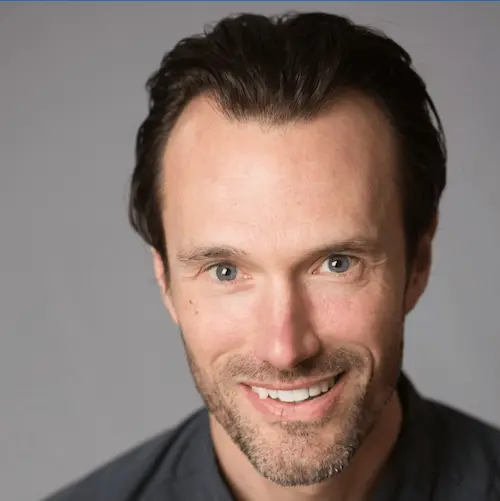
Dave Emerson
Co-Founder, Center for Trauma and Embodiment, Co-developer, TCTSY
TCTSY vs. the Gold Standard: Inside the Landmark PTSD Research | March, 2024
In December 2023, JAMA Network Open published the largest randomized controlled trial of TCTSY to date. The study compared TCTSY Trauma Sensitive Yoga to Cognitive Processing Therapy — the VA's gold standard treatment for PTSD — in a population of women veterans and survivors of military sexual trauma. TCTSY was found to be equally effective. Completion rates were significantly higher.
This roundtable brings together the people who built that study over fourteen years. They talk through how the study started, what the data showed, what COVID did to a VA-based trial mid-stream, and what it looked like to facilitate a trauma-sensitive yoga protocol for a population that was primarily Black and African-American women — with a research team that was primarily white.
The most significant finding isn't just that TCTSY worked. It's that people showed up for it and stayed. In a VA system where the percentage of referred PTSD patients who start, complete, and recover from exposure therapy is, as Dr. Kelly describes it, minuscule — an intervention that people actually engage with is its own kind of result.
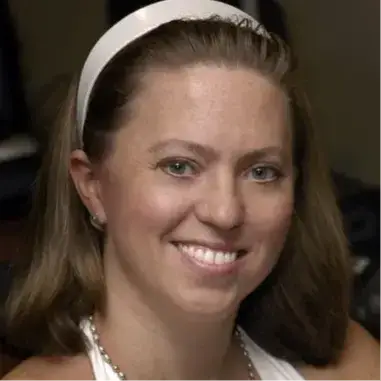
Melinda Hggins, PhD
Director, Biostatistics and Data Core, Office of Nursing Research, Emory University
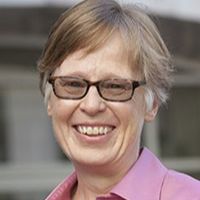
Ursula Kelly, PhD, MSN
Nurse Scientist, Associate Professor, Emory University

Stacey Beth Shulman, C-IAYT
TCTSY Facilitator · Primary Study Facilitator

Stay in the work with us.
Join thousands of practitioners, researchers, and community leaders around the world who receive CFTE's newsletter — including updates on new research, upcoming trainings, and conversations from our podcast, On Trauma & Power.
We respect your inbox. No spam, ever. Unsubscribe any time.
