TIWL Trauma-Informed
Weight Lifting
Expanding trauma-care into the spaces where strength, resistance, and embodiment meet.
TIWL is an embodied approach to strength training that integrates principles of trauma-care into the weight room — supporting participants in developing agency, awareness, and relationship with their body through movement.
FEATURED IN THE NEW YORK TIMES · SHAPE MAGAZINE · CBS
#WeLift
We believe strength training and trauma recovery should be in the same conversation.
TIWL is an embodied practice and intervention, informed by the latest in exercise science, neuroscience and trauma research. The goal of TIWL is to promote and facilitate healing for trauma-impacted individuals and groups through the act of weight lifting. Weight lifting, when approached in a trauma-informed manner, aims to:
- Foster resilience
- Increase a felt sense of agency and empowerment
- Cultivate healthy nervous system functioning
- Facilitate positive relational connections to self and others
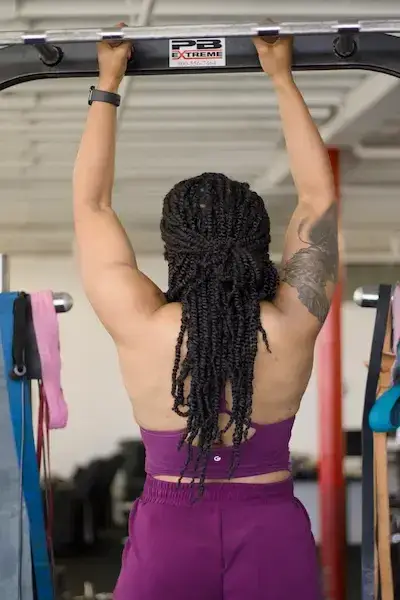
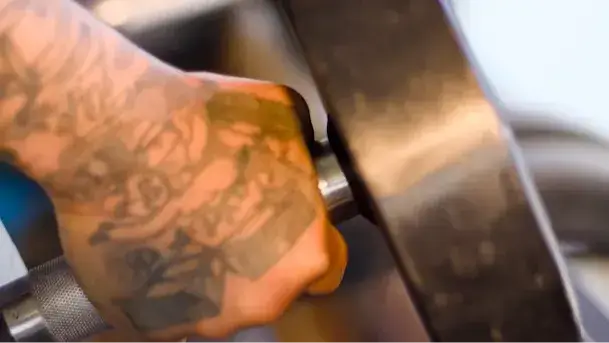
Healing doesn't only happen in quiet,
controlled environments.
For many people, strength-based movement — lifting, resisting, exerting — can be a powerful entry point into the body.
But traditional fitness spaces often replicate the very dynamics that make healing difficult:
- pressure
- comparison
- control
- disconnection from internal experience
TIWL was developed to offer something different.
A space where strength is not about dominance over the body, but relationship with it.
Where effort is not imposed, but explored.
Where participants can experience power without losing agency.

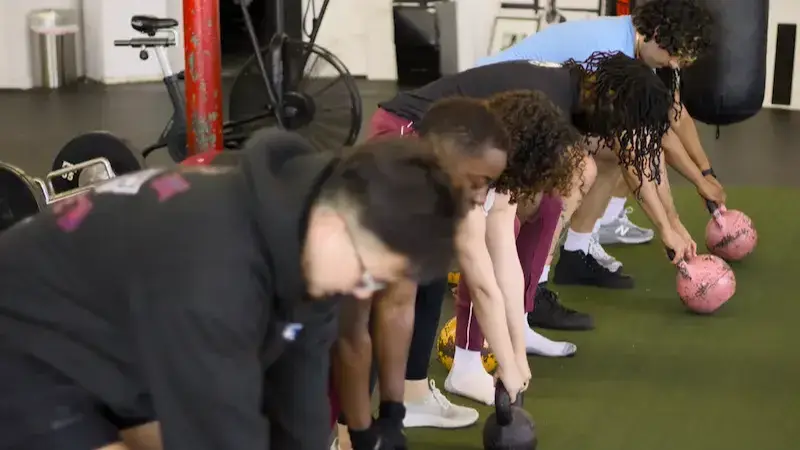
Research Backed.
Community Driven.
Visit the TIWL Website

Stay in the work with us.
Join thousands of practitioners, researchers, and community leaders around the world who receive CFTE's newsletter — including updates on new research, upcoming trainings, and conversations from our podcast, On Trauma & Power.
We respect your inbox. No spam, ever. Unsubscribe any time.